Noiro
$99 SaaS
Design resources and thoughts from someone who does this every day.
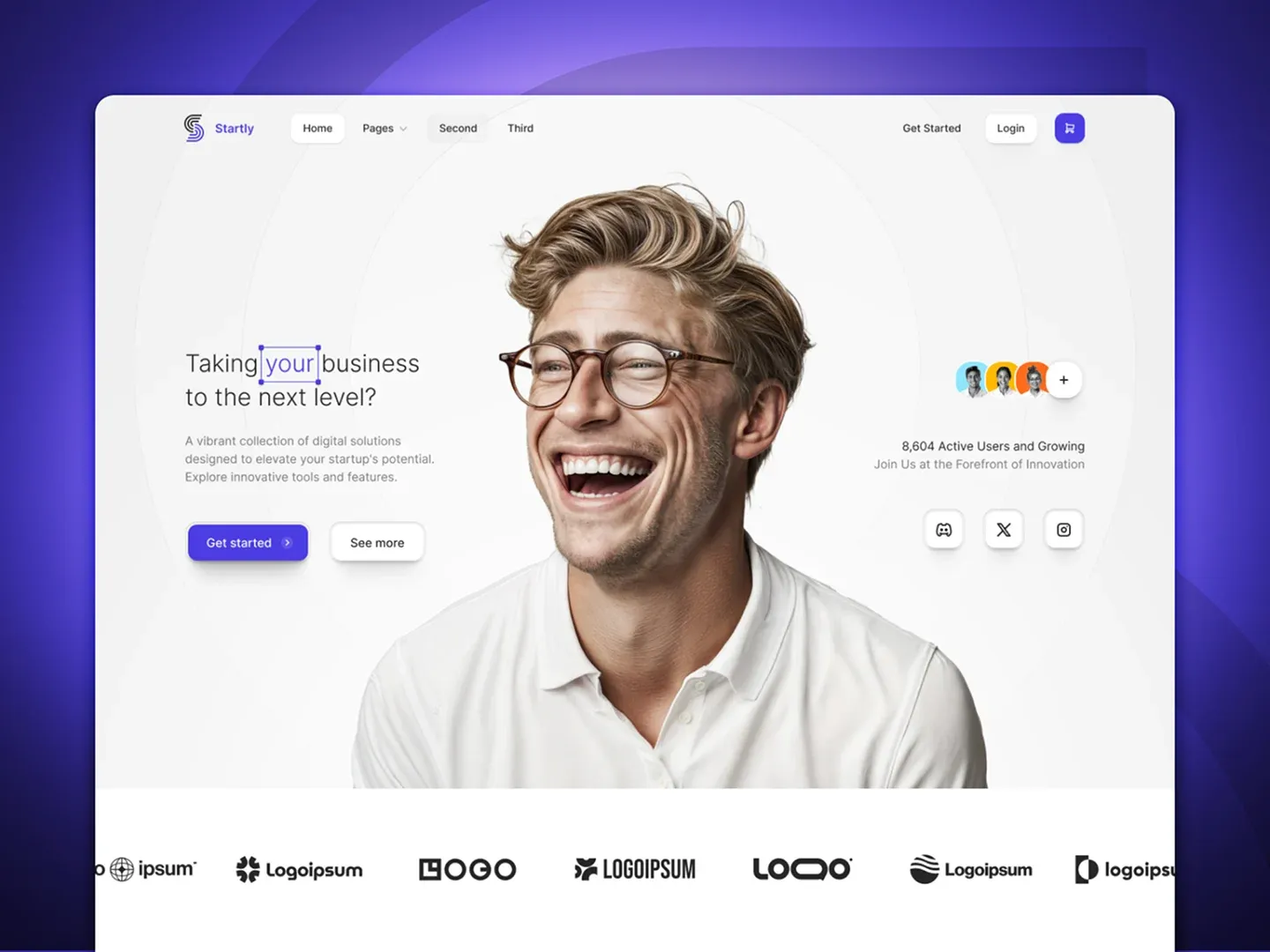
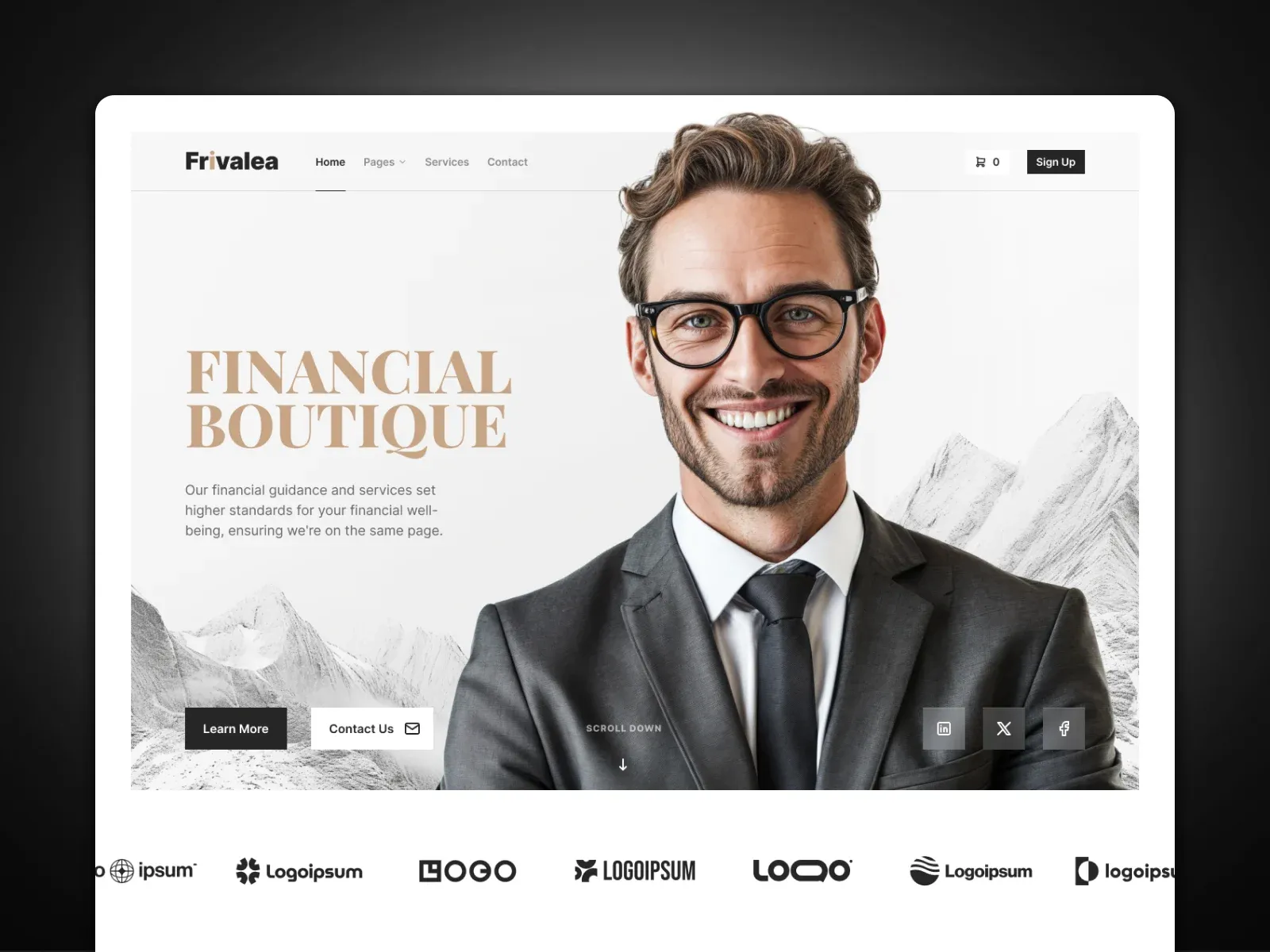
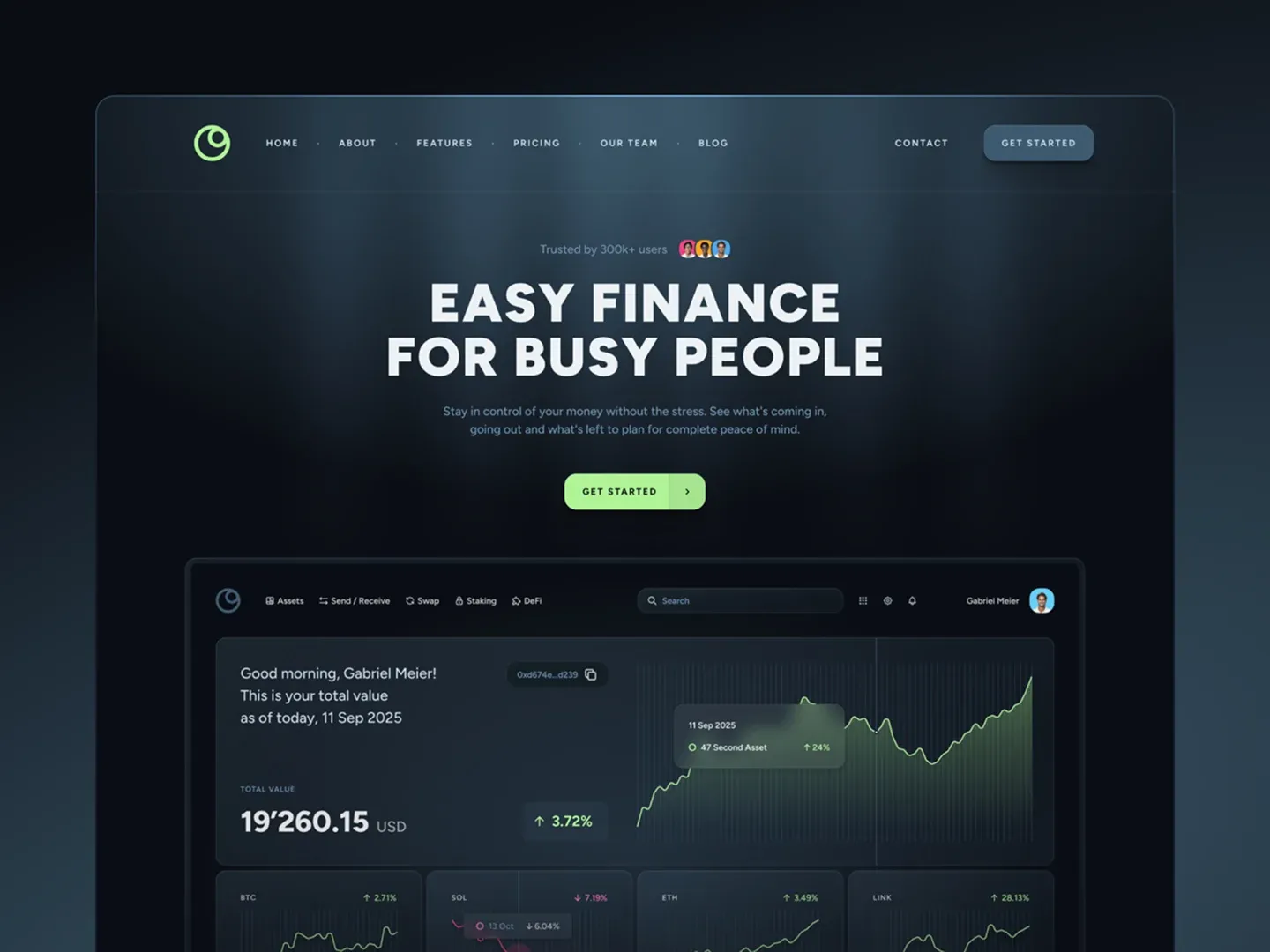
Yolk Templates is where I publish website templates I'd actually use myself. Mostly Framer templates, with Webflow and HTML versions of select designs. The kind of work I used to build for clients, except now you can buy the file and ship a site this week.
If you've shopped for a template before, you know how it usually goes. The hero looks great, the inside falls apart, and by page three the spacing is all over the place. Yolk templates aren't that. Every page goes through the same review I'd put my own work through. Components instead of duplicated layers. Variables for the things that should be variables. Mobile that holds up.
Most of what's here is built for SaaS, fintech, agency, and portfolio sites. Framer is the main tool because it gives designers the level of control they actually want. The same template often gets a Webflow build for teams already on that stack, and an HTML version when someone needs to ship without subscribing to anything.
If you're a founder who needs a credible site this week, an indie maker launching a product, or a designer building for clients, you're who I'm thinking about when I open the file.
I've shipped templates on Framer and Webflow. Here's what keeps standing out as I work in each: the canvas, the marketplaces, the prices, the momentum.
Today's Framer templates are impressive. But 2013-era Themeforest themes had something I keep missing: they bent to your brand, not the other way around.
Framer started as a prototyping tool. Now it's a full website builder. Here's what it actually does, who it's for, and how it compares.